How to Assess a Football Card Pull After Opening a Pack
Opening a pack of football cards is exciting. The anticipation, the rip, the reveal. But once the cards are in your hand, the real work begins, especially when you are chasing autograph cards. Knowing how to assess what you have pulled separates a casual rip from a thoughtful collection. This is about looking past the surface and understanding what each card actually means for your collection or your next move.
Whether you collect modern stars or vintage legends, the process of evaluating a pull follows a logical sequence. You start with the obvious, then dig into the details, and finally decide what the card is worth to you or to someone else. The order matters, because each step builds on the last. Let us walk through that order so you can get the most out of every pack you open.
Step 1: Check the Card Type and Player
The first thing you notice is who is on the card and what kind of card it is. Is it a base card, an insert, a parallel, or something with an autograph? The player name and the card type set the stage. A common base card of a well-known player might be nice to pull, but it is not rare. A signed card of the same player is a different story entirely.
Look at the design. Many modern sets have distinct visual cues for their higher-end pulls. Foil stamping, embossing, or a different card stock can hint at rarity before you even read the text. For football autograph cards, the signature itself is the first clue. Is it hand-signed, or does it look printed? Hand-signed autographs have ink variation, a slight texture, and sometimes a tiny smudge. Printed signatures look too uniform. If the card is from a reputable brand, the difference is usually clear, but it is worth checking closely.
Also note the player. A signed card of a club legend or a current star carries more weight than a lesser-known player, but even a lesser-known player can be a valuable pull if the card is scarce or if the player has a dedicated following. Do not dismiss a name you do not recognise immediately. Look them up. Their career stats, recent form, or cult status might surprise you.

Step 2: Inspect the Condition
Condition is everything in card collecting. A mint autograph card is worth far more than one with a visible crease, a scratched surface, or a bent corner. After you pull a card, handle it carefully. Hold it by the edges. Do not touch the surface. Look at the corners and edges under good light. Are they sharp, or do they show white spots? Check the surface for scratches, dents, or print lines. Hold the card at an angle to catch light reflection, which reveals surface wear that is hard to see head-on.
For football autograph cards, the condition of the signature matters as much as the card itself. Is the ink smudged, faded, or partially missing? A smudged autograph can reduce value significantly, even if the card is otherwise perfect. Some collectors prefer a card that is off-centre but has a crisp signature over a perfectly centred card with a messy autograph. There is no universal rule, but the signature should be legible and complete.
Also check the back of the card. Look for any writing, stickers, or damage. A clean back with no marks is ideal. If the card has a serial number, make sure it matches the set and is not duplicated. Serial numbers are often a sign of a limited run, but only if the numbering matches the stated edition size.
Step 3: Verify Authenticity and Provenance
Authenticity is the biggest concern with signed cards. A fake autograph is worthless to a serious collector. If the card is from a sealed pack by a major manufacturer, the signature is almost certainly authentic. But if you are buying singles, or if the pack itself is from a less established brand, you need to verify. Look for a certificate of authenticity, a hologram, or a tamper-proof sticker. Some cards include a QR code that links to a verification database. Scan it. If the code does not work or leads nowhere, be cautious.
Provenance is the history of the card. Who signed it, when, and under what circumstances? A match-worn or player-worn relic card that includes a piece of fabric or a small piece of game-used material adds another layer. The provenance for such cards is usually printed on the card or on the packaging. Keep that packaging if it shows the source. For autograph cards, provenance might mean the card was signed at a specific event, or it might be a certified autograph from a licensed set. The more you know about the card's origin, the easier it is to trust it.
If you are unsure about a card's authenticity, you can compare it with known examples online. Look at the signature style, the ink colour, and the placement. Many collectors share images of their pulls on forums and social media. Use those as references. But remember that even a good comparison is not a guarantee. When in doubt, a professional authentication service is the safest bet.
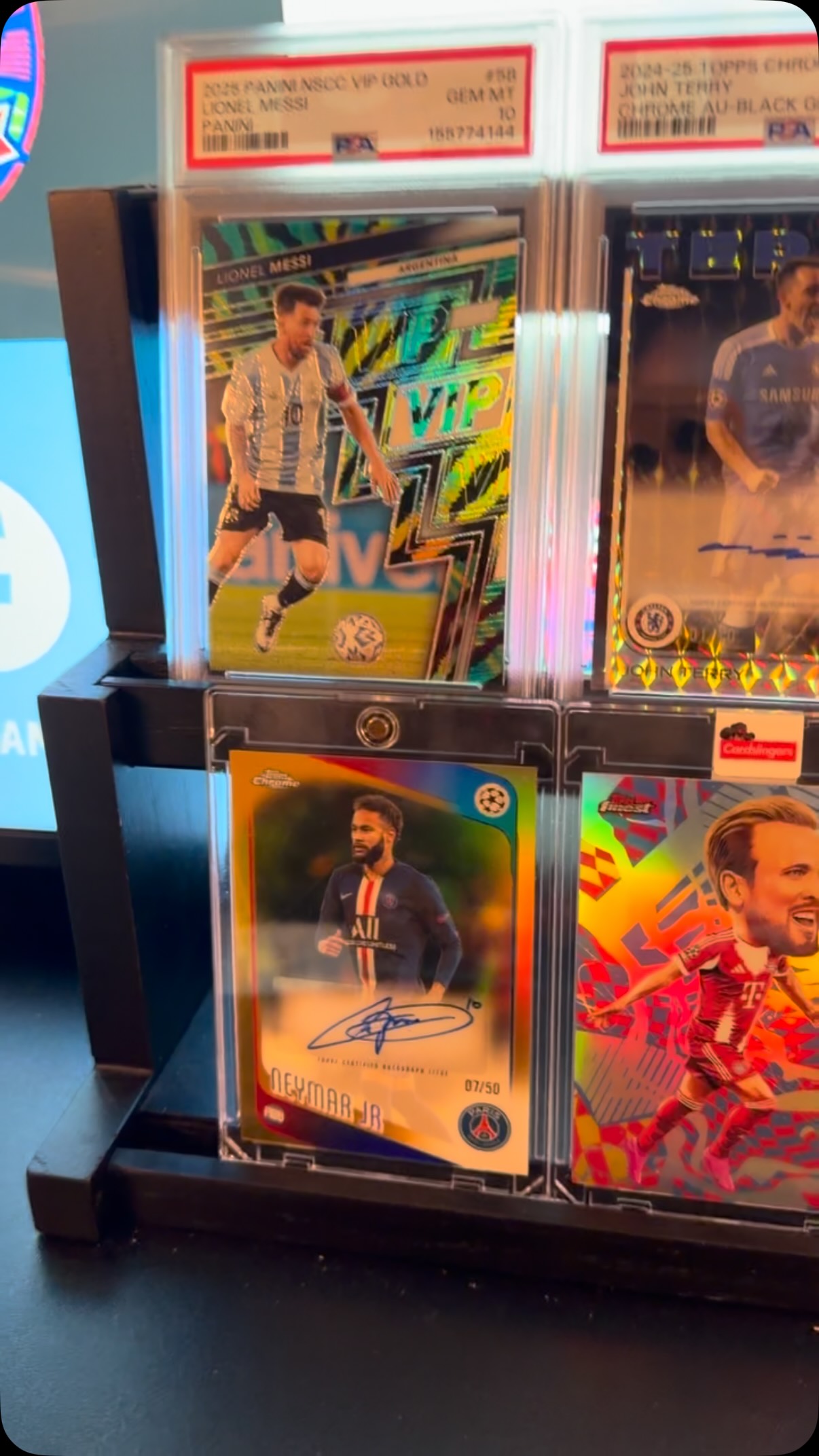
Step 4: Assess the Rarity and Demand
Rarity is not just about how many cards exist. It is also about how many people want them. A card that is rare but from a player nobody collects might sit in a binder forever. A card that is moderately common but from a player who is having a breakout season can be hot. Keep an eye on current trends. Which players are in the news? Who just scored a big goal or transferred to a top club? Demand shifts quickly, and a card that was cold last month can become a sought-after item this month.
For autograph cards, the rarity of the signature itself matters. Some players sign very few cards, either because they are selective or because they are no longer active. A signed card from a retired legend who rarely signs is a major pull. On the other hand, a player who signs thousands of cards a year produces many autographs, so a single signed card from that player is less special. Check how many signed cards that player has in circulation. Online communities and card databases often track this information.
Also consider the card's condition relative to its rarity. A rare autograph card in poor condition might still be desirable, but it will not command the same price as a mint example. The grading scale matters. A card graded near-perfect by a reputable grading company is a trophy. A raw card with visible flaws is a different proposition. If you are planning to sell, grading the card can add clarity and trust. But grading costs money and takes time, so weigh the potential value against the expense.
Step 5: Decide What to Do Next
Once you have assessed the card, you have choices. You can keep it for your personal collection, trade it, sell it, or send it for grading. Each path requires different information. If you are keeping it, store it properly. Use a penny sleeve and a top loader. Keep it away from sunlight, heat, and humidity. A binder with pages is fine for short-term storage, but for valuable cards, a rigid holder is better.
If you are selling, research recent sales of the same card in similar condition. Look at auction sites and card marketplaces. Do not rely on asking prices alone; look at what cards actually sold for. Condition, centring, and signature quality all affect price. A card with a strong signature and sharp corners will sell for more than one with a faded autograph and a dinged corner. Be honest about your card's flaws. Honesty builds trust with buyers.
Trading is another option. If you have a card that does not fit your collection but is desirable to someone else, you can swap it for something you want. Find a trading community online or at a local show. Know what your card is worth and what you are looking for. A fair trade benefits both sides.
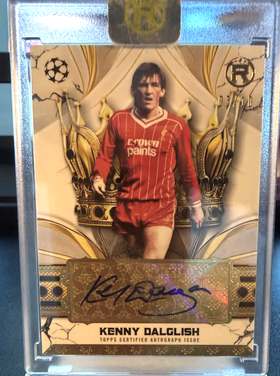
For UK collectors, the community around football cards is growing fast. Sites like craigcamcards.com offer a space to see card hits, watch live repacks, and learn from others. The site's focus on UK football cards means the players and sets you care about are front and centre. Whether you are after autograph cards, relics, or just a fun rip, the community can help you understand what you have pulled.
Finally, remember that assessing a pull is a skill. The more packs you open and the more cards you handle, the better you get at spotting details and judging value. Do not rush. Take your time with each card. Look at it from every angle. Compare it with others. And if you ever feel uncertain, ask. Collectors are usually happy to share their knowledge. Sites like craigcamcards.com provide that kind of environment, where you can learn from others and show off your best pulls. The key is to stay curious and keep learning.